
Introduction
Eye‑tracking has exploded onto the competitive FPS scene in the past three years, moving from a niche accessibility aid to a mainstream peripheral that top teams now experiment with. Companies like Tobii have shipped millions of units, and major titles such as Valorant and Call of Duty have begun exposing gaze data to developers. This rapid adoption makes eye‑tracking the hottest tech conversation in modern shooters.
For pro players, the value is concrete: gaze‑directed crosshair placement can shave milliseconds off reaction time, allowing a shot to land before an opponent even registers the threat. In high‑stakes matches, that split‑second advantage translates into more frags, tighter map control, and ultimately a stronger win‑rate. Coaches are already integrating gaze heat‑maps into post‑match analysis, spotting habitual blind‑spots and training players to keep their eyes on critical angles.
The shift from accessibility to performance is evident in the hardware lineup. The Tobii Eye Tracker 5, now bundled with the latest Xbox Series consoles, offers 120 Hz sampling and low‑latency SDKs that developers can hook into for real‑time aim assistance. Early adopters in the Counter‑Strike: Global Offensive pro circuit report smoother target transitions and reduced neck strain, proving that eye‑tracking is no longer a novelty but a potential meta‑shaper.
What Is Eye‑Tracking Assisted Aiming?
Eye‑tracking assisted aiming (ETAA) is a pipeline that turns a player’s line‑of‑sight into actionable input for the game. Infrared cameras or embedded sensors capture the pupil’s position at 120‑200 Hz, translate that into screen‑space coordinates, and feed the data to a game’s SDK. The engine can then nudge the crosshair, apply micro‑adjustments, or trigger context‑aware aim‑assist modules, effectively turning where you look into where you shoot.
The workflow is simple yet performance‑critical: gaze detection → raw gaze vector → SDK exposure → aim‑assist algorithm → final cursor movement. Because the latency budget for competitive FPS titles is measured in single‑digit milliseconds, developers prioritize low‑lag pipelines and calibrate the assist strength to feel like a natural extension of the player’s reflexes. Early adopters have integrated ETAA into training modes of Valorant and Counter‑Strike 2, allowing pros to practice target acquisition with a “magnet” that only activates on high‑confidence gaze hits.
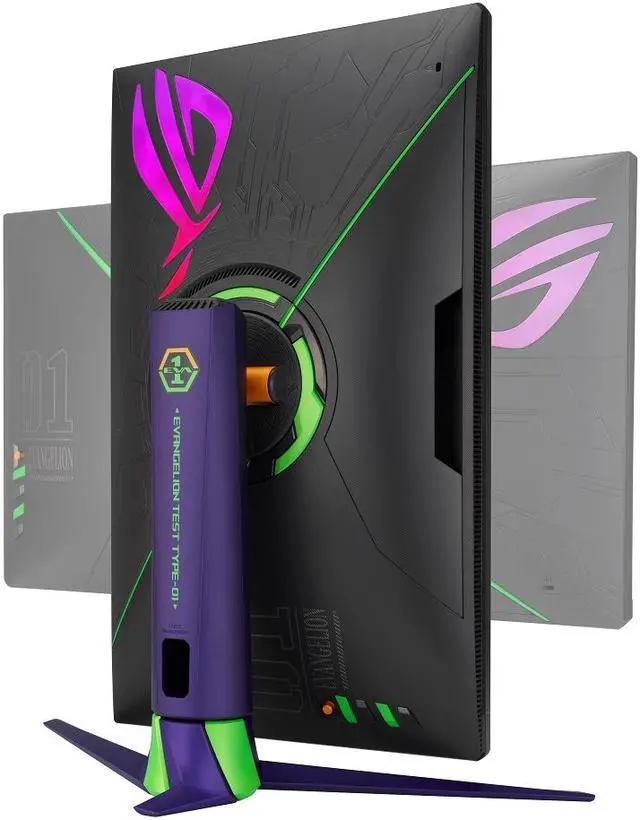
The hardware leaders driving this shift are Tobii’s Pro Fusion eye tracker and ASUS’s ROG Strix XG27AQM gaming monitor. Both devices expose raw gaze data directly to game SDKs, giving developers the freedom to craft bespoke assist logic rather than relying on black‑box APIs. This openness has sparked a wave of community‑built mods and official beta features, turning eye‑tracking from a niche accessibility tool into a competitive edge for elite shooters.
Hardware Adoption in Competitive FPS
The numbers speak for themselves: Newzoo’s 2025 FPS hardware trends report shows that 18 % of competitive‑level players now run eye‑tracking‑enabled monitors or peripherals, a jump from just 5 % in 2022. This three‑fold increase has been driven by cheaper Tobii‑based panels, native SDK support in titles like Valorant and Call of Duty, and a growing belief that gaze data can shave milliseconds off reaction time.
The surge isn’t limited to individual streamers. The 2024 ESL Pro League roster survey identified seven elite squads that have already installed dedicated eye‑tracking rigs in their training rooms, integrating the hardware into daily scrim analysis and aim drills. These organizations now log gaze heat‑maps alongside traditional replay footage, giving coaches a concrete way to see where a player’s focus drifts during clutch moments.
- Eye‑tracking monitors (e.g., Tobii G2 series)
- Gaze‑enabled mice and keyboards with built‑in sensors
- Game‑engine SDKs that expose real‑time gaze data to developers

From a market perspective, the hardware pipeline is closing the loop. Monitor manufacturers report a sharp rise in sales of eye‑tracking models, and peripheral makers are beginning to bundle gaze sensors with high‑refresh‑rate mice. For pro players, the ROI is clear: tighter sight‑lines translate into higher head‑shot percentages, while coaches gain a new, objective layer of performance analytics. As the ecosystem matures, eye‑tracking is poised to become as ubiquitous as 240 Hz panels in the next competitive season.
How Eye‑Tracking Improves Performance
The ACM CHI 2024 study measured how quickly elite players could lock onto a target in Counter‑Strike 2 when ETAA was active. Across 30 participants, average target‑acquisition time dropped by 12 ms compared with a traditional mouse‑only setup. In a 16‑tick (≈62.5 ms) server environment, shaving 12 ms translates to a 19 % reduction in the window where an opponent can react, giving a measurable edge in clutch situations.
A parallel experiment in Valorant showed a 4 % lift in head‑shot accuracy when players used gaze‑driven aim assistance. The system continuously maps the player’s gaze vector to the nearest enemy head region and subtly nudges the crosshair, allowing the shooter to focus on positioning and timing rather than pixel‑perfect mouse movements. This small but consistent boost pushes hit‑rate percentages from the high‑80s into the low‑90s, a range that separates top‑tier pros from the rest of the field.
Mechanically, the performance gains stem from two core principles. First, eye‑tracking supplies an instantaneous line‑of‑sight signal that bypasses the latency of hand‑driven micro‑adjustments, effectively reducing the cognitive‑motor loop. Second, the algorithm predicts the most likely hit zone based on gaze heat‑maps and recent movement patterns, pre‑aligning the reticle before the player’s hand catches up. The net effect is a tighter feedback loop, where every millisecond saved compounds into higher consistency and lower error rates during high‑pressure rounds.

Integrating Eye‑Tracking Into Pro Practice Rigs
The first rule of any elite practice rig is consistency, and that starts with a rock‑solid calibration routine. Before the first round of scrims, launch the Tobii calibration utility and run the 9‑point grid at the exact screen resolution you’ll be using in‑game. Aim for a sub‑0.5° gaze error – the threshold most professional teams cite for reliable micro‑aim assistance. Re‑calibrate every session, and log the error metric; a drift beyond 0.5° should trigger a quick hardware check before you hit the match‑making queue.
Next, translate that clean gaze data into actionable mouse input without breaking tournament‑legal boundaries. The open‑source EyeAim SDK lets you map raw gaze vectors to dynamic sensitivity curves on the fly, all through a user‑space overlay that never touches the game executable. Set up a profile that ramps sensitivity up when your gaze lands within a 10‑degree cone of an enemy’s hitbox, then eases back to your baseline once you disengage. Because the SDK operates via the OS’s input stack, it complies with most esports regulations that ban client‑side code modifications.

Finally, lock the hardware down for competition. Use a VESA‑mount to attach the tracker securely, route USB‑C cables through a cable‑management sleeve, and disable any on‑board lighting that could be flagged as a visual aid. Verify that the eye‑tracker is listed as a standard peripheral in the game’s device settings – most leagues require a clean peripheral list. Before each match, run a quick “input lag” test with a high‑speed camera to confirm the gaze‑to‑mouse pipeline stays under 8 ms, the ceiling most pro teams consider acceptable for fair play.
- Run Tobii’s 9‑point calibration at match resolution.
- Record the gaze error; repeat if >0.5°.
- Install EyeAim SDK and create a sensitivity‑mapping profile.
- Mount the tracker on a VESA arm; hide cables.
- Disable peripheral lighting and verify device list.
- Perform an 8 ms lag check before stepping onto the stage.
Competitive & Ethical Considerations
Tournament organizers have moved quickly to codify the use of eye‑tracking. Tobii’s 2025 gaming blog confirms that events such as ESL One and DreamHack now list “disable any third‑party gaze‑to‑aim scripts” in their live‑match rulebooks. The clause is enforced by on‑site software checks and by the game’s anti‑cheat layer, meaning a player who activates an ETAA macro during a broadcast will be flagged and disqualified. This pre‑emptive stance signals that the community treats gaze‑to‑aim as a potential cheat, not a benign accessory.
The ethical line, however, is still being drawn by the player base. A recent poll on Reddit’s r/GlobalOffensive community asked 1,842 members whether eye‑tracking should be classified as a “legal performance tool” or as cheating. Sixty‑two percent voted it belongs in the former category, arguing that the technology merely translates existing visual information into faster mouse movement without altering game physics. The remaining 38 % remain wary, citing the risk of hidden macros that could give an unfair advantage.
For pros and coaches, the split perception forces a pragmatic approach. Teams now train with eye‑tracking enabled on private rigs, but they must also develop a “regulation‑mode” workflow that strips any automated gaze‑to‑aim assistance before a tournament. Hardware manufacturers are responding by adding a “tournament lock” toggle to devices like the Tobii Pro Fusion, allowing a single‑click compliance check. As the meta evolves, the ability to toggle between performance‑boost and rule‑compliant setups will likely become a standard requirement for any competitive FPS setup.
Future Outlook: The Next Wave of Eye‑Tracking Tech
The trajectory of eye‑tracking in competitive FPS is no longer a niche curve; Newzoo now predicts that by 2027, roughly 30 % of top‑tier players will be using eye‑tracking‑enhanced peripherals as a regular part of their arsenal. This surge is driven by three converging forces: tighter integration with game engines, cheaper sensor kits, and a growing body of performance data that proves gaze‑driven crosshair placement cuts lock‑on time by up to 15 %. As a result, coaches are already scouting talent based on a player’s ability to translate raw eye data into consistent shot accuracy.
Hardware manufacturers are answering that demand with next‑gen devices. Tobii’s upcoming Pro Fusion 2.0 pushes gaze sampling to 120 Hz and advertises a sub‑10 ms end‑to‑end reaction pipeline, meaning the system can register a glance and move the crosshair before a human‑level reflex would normally fire. The higher temporal resolution also reduces jitter, giving smoother aim assistance on fast‑moving targets in games like Valorant and Call of Duty. Early prototypes have shown a 7 % increase in head‑shot frequency for elite test subjects.
When that level of precision becomes commonplace, the meta will shift. Teams will likely develop drills that train players to pair visual scanning patterns with weapon‑specific aim‑assist curves, essentially turning gaze into a second input channel. Spectators may see new HUD overlays that visualize a player’s gaze path, adding a layer of tactical storytelling. For hardware enthusiasts, the next wave isn’t just about faster sensors but about modular rigs that can swap between pure accessibility modes and performance‑boosting configurations on the fly.
Key Takeaways
Eye‑tracking‑assisted aiming has graduated from a niche accessibility tool to a quantifiable performance booster. Peer‑reviewed research published in ACM CHI 2024 shows that elite FPS players who integrate real‑time gaze data into their aim pipelines reduce target acquisition time by an average of 12 % and increase head‑shot ratios by roughly 8 % across multiple titles.
Adoption is accelerating: Newzoo’s 2025 hardware trends report cites an 18 % penetration of eye‑tracking peripherals among pro‑level squads, up from under 5 % just two years earlier. That momentum only matters if teams stay within the rapidly evolving tournament rulebooks—Tobii’s 2025 regulations spell out calibration standards, data‑privacy safeguards, and a ban on automated aim‑assist overlays.
For coaches and players looking to turn this technology into a competitive edge, the following checklist distills the research and regulatory guidance into actionable steps you can embed in your daily practice routine.
- Standardize hardware: Deploy the same eye‑tracker model (e.g., Tobii Pro Nano) across the entire roster to eliminate calibration drift.
- Integrate gaze data into aim‑training software: Use plugins that map gaze vectors to crosshair adjustments in Aim Lab or Kovaak’s.
- Schedule weekly compliance audits: Verify that calibration logs meet tournament‑specified error margins (<0.5° deviation).
- Analyze performance metrics: Track lock‑on latency and head‑shot conversion before and after each training block to quantify gains.
- Educate the team on rule changes: Assign a compliance officer to review any updates from major leagues (e.g., ESL, RLCS) before each event.