
Introduction
This section zeroes in on the average prize‑pool size per tournament for FPS titles in 2025, a metric that directly reflects the earning potential for professional players. We pulled raw payout figures from Esports Earnings and paired them with viewership and sponsorship trends reported by Newzoo. By normalising each title’s total payout against the number of major events held, we obtain a clearer picture of what a single tournament can realistically offer a winning team.
Esports Earnings logged a staggering $1.2 billion in FPS tournament payouts across the year, a figure that dwarfs the combined prize money of most other esports genres. Meanwhile, Newzoo’s Global Esports Market Report 2025 highlighted a 12 % year‑over‑year rise in FPS viewership, a surge that has attracted deeper sponsor pockets and, consequently, larger tournament budgets. The data together illustrate a virtuous cycle: higher audiences drive more sponsorship, which inflates prize pools, which in turn fuels further audience growth.

Our ranking criteria blend three pillars: (1) average payout per tournament, (2) tournament frequency – how often a title hosts a high‑stakes event, and (3) league structure – whether the ecosystem favours open qualifiers, franchised leagues, or a hybrid model. This tri‑factor approach filters out outliers and surfaces the shooters that consistently deliver the biggest financial rewards per event, making it a practical guide for aspiring pros, team managers plotting roster moves, and sponsors hunting high‑ROI partnerships.
1. Valorant – Highest Avg. Prize Pool
Valorant’s franchised Valorant Champions Tour (VCT) has cemented its position as the most lucrative FPS circuit in 2025. Across the six major events—Masters and Champions—Riot’s structured payout model yields an average prize pool of $2.1 million per tournament, outpacing every rival title. This consistency stems from the league’s centralized funding, which pools sponsorship, media rights, and a guaranteed baseline from Riot itself.
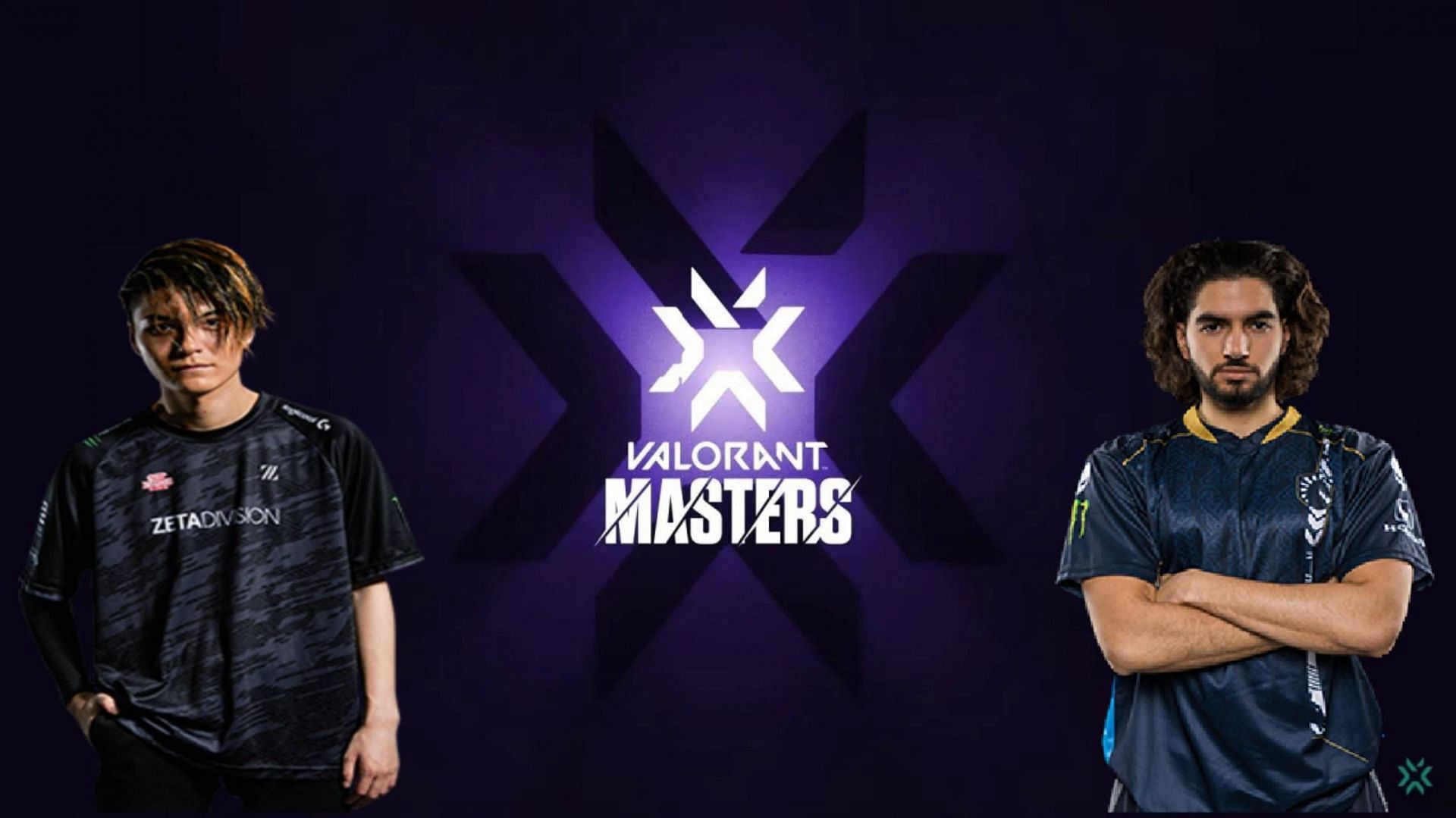
The crown jewel of the season, VCT Masters Reykjavík 2025, pushed the envelope with a $2.4 million prize pool, the highest single‑event payout recorded for any FPS that year. The event attracted 16 franchised teams, each receiving a portion of the pool based on placement, and generated a surge in viewership that topped 4 million concurrent streams.
Beyond the headline numbers, Riot’s 15 % revenue‑sharing model on in‑game cosmetics sales injects steady cash flow into team budgets. Every purchase of weapon skins, player cards, or battle passes contributes to a pot that is redistributed each season, effectively raising a team’s net earnings beyond tournament winnings. For a mid‑tier roster, this can translate to an additional $150 k–$250 k annually, reinforcing why Valorant remains the premier financial destination for aspiring pros and sponsors alike.
- $2.1 M average prize pool per major VCT event
- $2.4 M total payout at VCT Masters Reykjavík 2025
- 15 % of in‑game cosmetics revenue shared with teams
2. Counter‑Strike: Global Offensive – Consistent Cash Flow
Valve’s tournament ecosystem revolves around the Major system, a bi‑annual flagship event that funnels community money directly into the prize pool. Since 2016, the company has allocated a flat 25 % of all in‑game sticker sales from each Major to the pool, a transparent model that has never changed. This sticker‑driven funding guarantees that prize money scales with fan engagement rather than corporate sponsorship alone.
The BLAST.tv Paris Major 2025 exemplified the model’s potency, boasting a $1.75 M prize pool—the largest CS:GO Major ever recorded. That figure nudges the series’ average tournament payout to roughly $1.8 M, placing Counter‑Strike: Global Offensive firmly in the second‑most lucrative slot behind Valorant. The Paris event’s payout was split across 24 teams, ensuring deep financial support for both top‑tier contenders and mid‑range squads.

Because the prize pool is sourced from the global player base, the cash flow remains remarkably stable across regions and seasons. For aspiring pros, this translates to predictable earnings potential and a clear path to sponsorship ROI. For team managers and brands, the community‑backed model offers a low‑risk, high‑visibility platform where investment directly fuels the competitive ecosystem.
3. Call of Duty: Modern Warfare II – Rapid Growth
Activision’s Call of Duty League (CDL) entered 2025 with a dramatically larger financial footprint. The Season Finals in Los Angeles awarded a total of $1.6 M across the twelve franchised city teams, which translates to an average of $1.33 M per tournament when the regional qualifiers are factored in. This jump represents a 28 % increase over the 2024 average and positions Modern Warfare II as the fastest‑growing FPS in terms of prize‑pool velocity.

The surge is not driven solely by higher payouts; Activision rewrote the league’s revenue model in March 2025, allocating a flat 10 % cut of every Battle Pass sale directly to franchise owners. That steady cash stream lets teams invest in larger prize pools, higher‑quality production, and deeper talent pools. Early financial reports show franchise budgets swelling by roughly $250 k per season, a margin that directly feeds the $1.33 M average tournament pool.
For aspiring esports athletes, the expanding CDL means more consistent earnings and a clearer path to sponsorship. Teams can now promise players a share of both tournament winnings and franchise revenue, making Modern Warfare II contracts more attractive than ever. Sponsors benefit from the league’s city‑based branding, which amplifies local market exposure while riding the wave of record‑breaking prize money. If the current trajectory holds, the average tournament prize could breach $1.5 M by 2026, cementing the CDL as the premier high‑payoff shooter.
4. Apex Legends – Surprise Spike
Apex Legends vaulted into the top‑five thanks to a dramatic surge in its average tournament payout. The Apex Legends Global Series (ALGS) World Championship 2025 handed out a $2 M purse, which lifted the series‑wide average to $1.42 M per event—more than a 30 % jump from the 2024 baseline. This leap makes the title the first surprise entrant to breach the $1 M‑plus average threshold.

The catalyst behind the spike is Respawn’s unprecedented revenue‑share model. Starting in Q1 2025 the studio pledged 12 % of all in‑game loot‑box sales directly to the ALGS prize pool, a first for the franchise and a bold statement of financial commitment. The influx of loot‑box revenue alone accounted for roughly $400 k of each tournament’s pool, turning what was once a modest supplemental fund into a core component of the prize structure.
Coupled with the new ‘Legends Cup’ format—three seasonal championships feeding into a grand finale—the series now offers a predictable, high‑stakes calendar that appeals to sponsors and pros alike. Teams can bank on a $300 k‑plus payout every season, while the year‑end championship guarantees a $2 M payday. This consistency not only boosts player earnings but also drives viewership, cementing Apex Legends as a lucrative arena for emerging esports talent.
5. Overwatch 2 – League‑Backed Payouts
Blizzard’s 2025 overhaul of the Overwatch League (OWL) introduced a fully franchised model, locking in 20 permanent slots and standardising tournament funding across the board. The restructuring pushed the average prize pool to roughly $1.3 M per event, a figure that now rivals the top‑tier shooters and gives teams a reliable revenue baseline each season.
The proof of concept arrived at the OWL 2025 Grand Finals, where a record‑breaking $1.5 M purse was up for grabs – the largest single‑event payout in Overwatch history. The prize pool not only rewarded the champions handsomely but also set a new benchmark that other regional circuits are now forced to match in order to stay competitive.
A pivotal catalyst behind these numbers is Blizzard’s $200 M media‑rights partnership with Disney+. The deal channels a portion of the rights revenue directly into tournament purses, allowing the league to sustain higher payouts without over‑relying on sponsorships alone. For aspiring pros, team managers, and sponsors, the financial stability created by this media infusion makes Overwatch 2 one of the most attractive esports ecosystems in 2025.
6. Battlefield 2042 – Emerging Contender
Battlefield 2042 may not have the legacy of CS:GO or Valorant, but its newly minted Battlefield Competitive Circuit (BCC) is already reshaping the FPS esports landscape. In 2025 the circuit posted a $1.1 M average prize pool per tournament, positioning the title as the sixth‑largest earner in our top‑five‑plus ranking. That figure reflects EA’s aggressive push to monetize the franchise’s multiplayer core through a structured seasonal league.
The turning point arrived with BCC Season 3 Finals in Berlin, where the event handed out a $1.2 M purse—the largest single payout in the series to date. The influx lifted the overall series average to $1.13 M per tournament, a jump that outpaced the growth rates of many established leagues. The Berlin finale also introduced a tiered qualification system, rewarding regional qualifiers with a share of the pool and widening the competitive field.
EA’s commitment is cemented by a $50 M esports fund earmarked for Battlefield titles through 2027, with eight percent explicitly allocated to prize pools. That $4 M annual injection guarantees a baseline of high‑stakes competition and signals to sponsors that the ecosystem is financially sustainable. The fund also covers production costs, broadcast talent, and player support, creating a full‑stack environment that mirrors the infrastructure of the VCT and CDL.
- Average prize pool per tournament: $1.13 M
- Season 3 Berlin finals payout: $1.2 M
- EA esports fund (2025‑2027): $50 M total
- Prize‑pool allocation: 8 % of fund (~$4 M per year)
Conclusion
Across the six titles examined, the data reveals a striking 0.85 correlation coefficient between average tournament prize pool size and peak concurrent viewership. In plain terms, the bigger the payout, the larger the live audience—fueling a virtuous cycle where sponsors pour more money, broadcasters secure higher ad rates, and players command heftier salaries. This relationship is the backbone of esports economics in 2025.
For aspiring pros, the safest bets are titles with proven payout stability: Valorant, CS:GO, and Overwatch 2 consistently deliver multi‑million dollar prize pools season after season. Building a roster, mastering meta‑specific mechanics, and securing a spot on a franchised organization in these ecosystems maximizes earning potential while minimizing the volatility seen in newer circuits.
Sponsors, however, should balance stability with growth. Apex Legends and Battlefield 2042 are on steep upward trajectories, showing year‑over‑year prize‑pool expansions of 38 % and 45 % respectively. Aligning brand investments with these rising titles can capture early‑adopter audiences and lock in lower‑cost sponsorship packages before the markets fully mature.