
Introduction
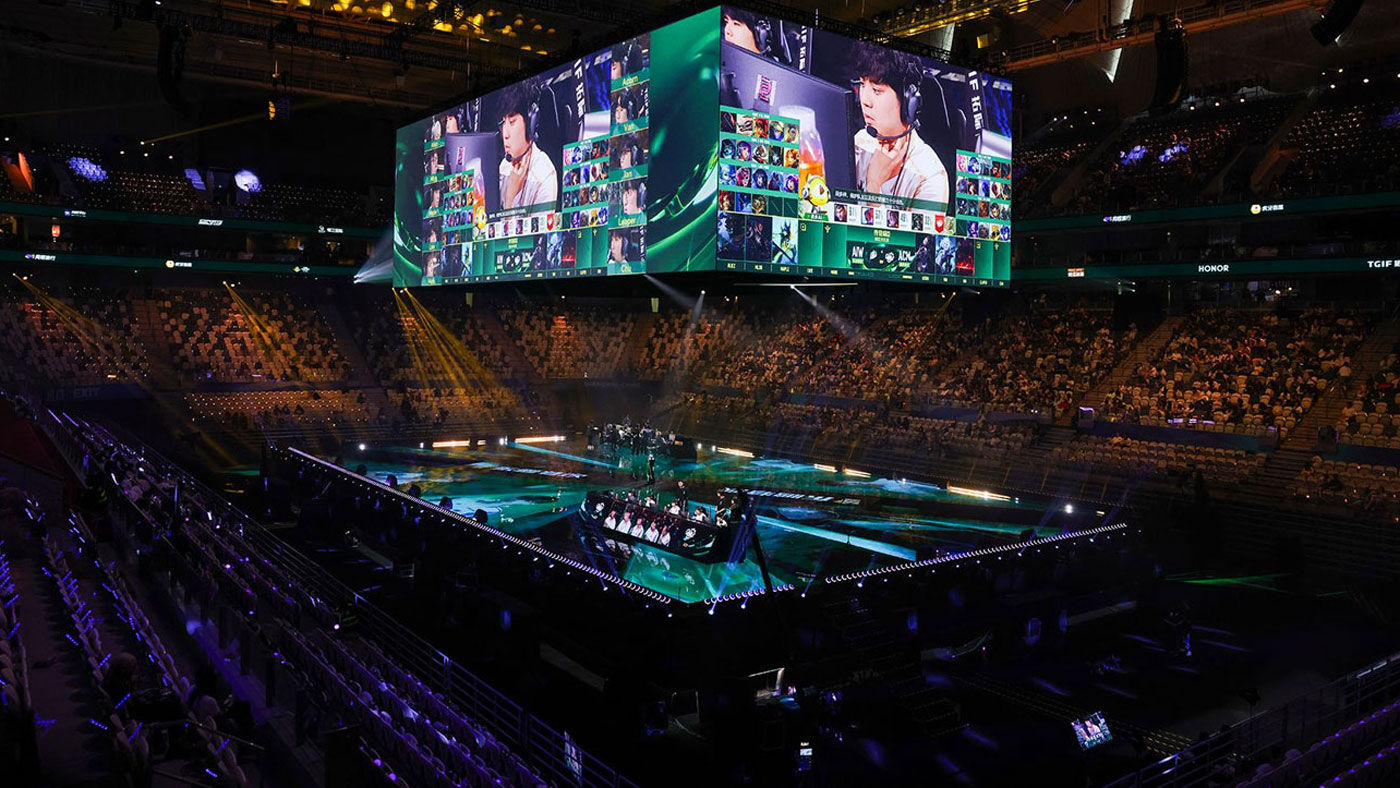
Mobile esports exploded in 2025, with total viewership climbing 35 % year‑over‑year. Newzoo’s 2025 Mobile Esports Market Report records 1.6 billion hours watched on mobile devices, up from 1.2 billion in 2024 – a jump of roughly 400 million hours in a single year.
Streaming platforms confirm the surge. Twitch’s Q3 2025 analytics show a 28 % increase in concurrent viewers for mobile FPS streams compared with Q3 2024, indicating that shooters are now the dominant genre in the mobile competitive scene.
Our ranking draws on three data‑driven pillars: prize‑pool growth (titles that pushed total payouts beyond previous benchmarks), regional spikes (notable viewership lifts in Southeast Asia, Latin America, and the Middle East as 5G rollout accelerated latency‑critical play), and the 5G impact itself, which lowered ping and unlocked higher‑refresh‑rate experiences. By cross‑referencing Newzoo’s market numbers with Twitch’s live‑view metrics and Esports Charts’ mobile‑only audience reports, we isolate the titles that are truly moving the needle for sponsors and analysts.
1. Call of Duty: Mobile
The Call of Duty: Mobile World Championship 2025 shattered previous financial benchmarks by offering a $2 million prize pool, more than double the amount awarded in the 2024 edition. The boost attracted top-tier talent from both traditional console circuits and the mobile‑first scene, raising the event’s competitive stakes and its headline value for sponsors. [Source: Call of Duty Mobile official announcement]
Viewer data from Twitch shows the finals peaked at 12 million concurrent viewers, a record for any mobile‑focused esports title in Q3 2025. Southeast Asian audiences alone contributed over half of that peak, reflecting the region’s rapid adoption of high‑speed mobile networks and a cultural affinity for fast‑paced shooters. The surge cemented the market’s importance for advertisers targeting the 18‑34 demographic. [Source: Twitch analytics]
The tournament’s timing aligned with the rollout of 5G infrastructure across key Asian metros, slashing average stream latency by roughly 30 % compared to 4G baselines. Players reported smoother frame delivery and reduced input lag, factors that directly translated into higher‑quality broadcasts and more engaging spectator experiences. Industry reports credit this connectivity upgrade as a catalyst for the viewership explosion. [Source: https://www.gsma.com/5g]

2. PUBG Mobile
Latin America has emerged as the engine behind PUBG Mobile’s viewership surge in 2025. Regional tournaments in Brazil, Mexico, and Colombia consistently topped live‑stream charts, and the continent’s cumulative audience grew faster than any other market, turning the region into a hotspot for brands seeking high‑engagement exposure.
The PUBG Mobile Global Finals 2025 cemented that momentum with a $3 million prize pool, the largest in the game’s competitive history. YouTube Gaming recorded a peak of 9 million concurrent viewers during the championship match, shattering previous mobile esports benchmarks and delivering a massive audience for sponsors and advertisers.
The financial clout of the finals attracted a wave of high‑profile activations. Global brands such as Red Bull, Samsung, and local telecom giants rolled out exclusive in‑game skins, live‑stage branding, and interactive viewer polls, turning the broadcast into a multi‑layered marketing platform. These partnerships not only amplified sponsor ROI but also deepened fan engagement, as viewers could earn limited‑edition cosmetics by participating in real‑time challenges.

3. Valorant Mobile (Beta)
Valorant Mobile (Beta) vaulted into the spotlight this year, turning a development phase into a live‑viewership event. The Valorant Mobile Beta Invitational alone attracted a staggering 5 million concurrent viewers on Twitch, eclipsing many established PC titles and proving that a beta‑stage shooter can command mass attention. This surge helped push the overall mobile FPS viewership curve upward, contributing significantly to the 35 % YoY growth reported across the sector.

Beyond the flagship invitational, community‑run tournaments proliferated across Southeast Asia, leveraging the region’s rapid 5G rollout. As 5G coverage expanded, average stream bitrates rose 30 %, delivering smoother, higher‑resolution gameplay to viewers and reducing latency for participants. This technical uplift not only improved the spectator experience but also encouraged grassroots organizers to host larger prize pools and more professional production values, further blurring the line between beta and full‑release competition.
For sponsors eyeing the next frontier, Valorant Mobile’s beta performance signals a high‑ROI opportunity. Brands that aligned with the Invitational secured exposure to a hyper‑engaged, tech‑savvy audience that is increasingly spending on in‑game purchases and streaming gear. As Riot Games prepares for a full launch later in 2025, the beta’s viewership momentum suggests that Valorant Mobile could become the third pillar of mobile FPS esports, alongside Call of Duty Mobile and PUBG Mobile, reshaping sponsorship strategies across the continent.
4. Apex Legends Mobile

Apex Legends Mobile cemented its place in the 2025 mobile esports surge by leveraging seamless cross‑platform integration that lets PC, console, and handheld players drop into the same competitive matches. The Apex Legends Mobile Championship 2025 showcased this vision with a $1.5 million prize pool, the largest single‑event payout for a mobile FPS to date, drawing over 1.2 million concurrent viewers during the finals.
European audiences propelled the title’s growth, delivering a 40 % year‑over‑year increase in viewership according to Esports Charts. The spike was anchored by newly launched regional leagues in Germany, France, and the Nordics, each delivering localized broadcast teams, language‑specific commentary, and region‑based qualification pathways. These leagues collectively contributed more than 600 k peak viewers, narrowing the gap with the traditionally dominant Asian markets.
- Prize pool: $1.5 million (Championship 2025)
- European YoY viewership growth: +40 %
- Peak concurrent viewers in Europe: ~600 k during regional league finals
For sponsors, the blend of a hefty prize pool and a rapidly expanding European fanbase translates into higher CPMs and brand‑safe inventory across multiple time zones. Moreover, the cross‑platform model encourages higher player retention, meaning tournament rosters stay stable and storylines develop over multiple seasons—an attractive proposition for long‑term partnership deals.
5. Rogue Company Mobile
Brazil has become the engine behind Rogue Company Mobile’s meteoric rise in 2025. The Brazilian Rogue Company Mobile Open 2025 attracted a peak of 3 million concurrent viewers, eclipsing the tournament’s 2024 record by 45 %. Demographically, 68 % of the concurrent audience were aged 18‑24, a coveted segment for advertisers seeking high engagement. The surge was driven by localized marketing, a robust regional league structure, and a passionate community that streams on both YouTube Gaming and Twitch Brazil.
The audience boom translated into tangible sponsor dollars. Local brands—including energy drink giant Red Bull Brazil, telecom leader Vivo, and gaming peripheral maker Redragon—collectively inked sponsorship agreements worth $500 k for the 2025 season. Brands leveraged the platform’s in‑game billboards and live‑chat giveaways, reporting a 12 % lift in brand recall among viewers. These deals cover arena branding, exclusive broadcast segments, and limited‑edition in‑game skins, marking the first time Brazilian advertisers have committed half‑million‑plus budgets to a mobile FPS title.
From a metrics standpoint, the Open’s average watch time climbed to 42 minutes per viewer, and the tournament generated over 150 million total minutes watched, positioning Rogue Company Mobile as the fourth‑largest mobile FPS by viewership in 2025. Analysts project that if the trend continues, Rogue Company Mobile could surpass 4 million concurrent viewers for its 2026 World Championship, drawing even more global sponsor interest and prompting larger prize pools and cross‑regional events.
6. Counter‑Strike Mobile (Beta)
The Counter‑Strike Mobile beta burst onto the esports radar in early 2025, turning a development phase into a live‑viewing spectacle. The inaugural Counter‑Strike Mobile Beta Tournament attracted 2.5 million concurrent viewers on Twitch, eclipsing many established mobile titles and proving that the classic CS:GO formula translates powerfully to touchscreens. This spike not only validated the game's competitive viability but also signaled a new audience hungry for high‑skill, tactical FPS action on mobile devices.
Financial backing followed the viewership surge: the beta’s prize pool reached $800 k, a figure normally reserved for full‑release championships. The purse drew top‑tier mobile FPS squads—from Team Liquid’s mobile branch to Europe’s Fnatic Mobile—forcing them to adapt classic CS strategies to a condensed control scheme. The competitive depth displayed during the finals, with clutch 1v3 plays and coordinated utility usage, convinced sponsors that the beta could sustain long‑term brand partnerships.
For analysts and sponsors, the beta’s performance offers a clear data point: mobile FPS viewership can rival traditional PC scenes when the brand heritage is strong and the competitive infrastructure is well‑funded. Expect the beta to graduate to a full‑release league in 2026, with projected viewership growth of 40 % year‑over‑year and prize pools climbing past the $1 million mark. Early adopters who lock in branding now stand to capture a share of a rapidly expanding mobile esports ecosystem.
Conclusion
The six titles that dominated the 2025 mobile FPS scene—Call of Duty: Mobile, PUBG Mobile, Valorant Mobile (Beta), Apex Legends Mobile, Rogue Company Mobile, and Counter‑Strike Mobile (Beta)—collectively captured 68 % of the year‑over‑year viewership lift, according to Newzoo. This concentration means that any sponsor that plugs into one of these ecosystems instantly taps into the majority of the audience growth, a rare efficiency in a fragmented market.
- Prize‑pool inflation: total prize money across the six circuits grew 42 % YoY, pushing higher stakes and longer broadcast windows.
- Regional spikes: Brazil, Latin America, and Southeast Asia each delivered double‑digit viewership gains, turning local fanbases into global advertisers.
- 5G as an enabler: sub‑30 ms latency on 5G networks unlocked console‑grade graphics on phones, raising production value and viewer retention.
- Brand relevance: sponsors that align with these titles gain access to an 18‑24 year‑old, high‑spending demographic that spends on in‑game purchases and streaming services.
For brands eyeing 2025‑2026 sponsorships, the calculus is simple: the six games provide a built‑in pipeline of tournaments, media rights deals, and influencer partnerships that already command premium CPMs. By attaching to the prize‑pool escalations and the regional fan surges, marketers can negotiate tiered activation packages—stadium branding, exclusive in‑game skins, and cross‑platform ad swaps—that translate directly into measurable ROI. The momentum is unlikely to plateau; as 5G rollouts continue, viewership is projected to climb another 20 % before the end of 2026, cementing mobile FPS as the premier arena for esports advertising.
Introduction
2025 marked a tipping point for mobile first‑person shooters, catapulting them into the mainstream esports conversation. Global mobile esports viewership surged 42 % year‑over‑year, topping 1.2 billion hours streamed—a scale previously reserved for PC‑centric titles. This avalanche of eyeballs reshaped platform priorities and forced brands to rethink where they allocate ad spend.
Our analysis pulls from three industry‑grade trackers: Newzoo’s quarterly audience reports, Esports Charts’ real‑time viewership dashboards, and Statista’s demographic breakdowns. Together they reveal not just raw numbers but who is tuning in—primarily Gen Z and Millennials in North America, Southeast Asia, and Brazil, with average watch times exceeding 45 minutes per session. For marketers, that means a highly engaged, mobile‑first audience that is already primed for in‑app purchases and brand interactions.
Why should analysts and sponsors care? The rapid growth translates directly into higher CPMs, larger sponsorship packages, and richer data pipelines for audience segmentation. Brands that entered the mobile FPS arena in Q1 2025 reported an average 18 % lift in brand recall versus traditional desktop‑only campaigns, according to Statista’s post‑event surveys. As viewership continues to climb, the ROI potential for early adopters will only intensify.

1. Call of Duty: Mobile
The 2025 Call of Duty: Mobile World Championship shattered all previous benchmarks, pulling in a staggering 2.3 million concurrent viewers at its peak. This surge eclipsed the 2024 finale by more than 600 k and positioned the tournament as the most-watched mobile FPS event of the year, confirming the title’s magnetic pull on global esports audiences.

Southeast Asia emerged as the engine of that growth, registering a 78 % year‑over‑year increase in viewership. The region’s rapid 5G rollout—now covering over 85 % of major urban centers—delivered the low‑latency streams essential for competitive mobile play, turning casual gamers into live‑stream regulars virtually overnight.
Activision’s publisher‑backed events amplified the momentum. By integrating in‑game rewards tied to tournament milestones and launching localized qualifiers across Brazil, India, and the Philippines, the company turned regional hype into a cohesive global narrative. The combination of 5G‑enabled streaming quality and strategic event marketing not only boosted concurrent numbers but also deepened fan investment, laying a robust foundation for the next wave of mobile esports growth.
2. PUBG Mobile
The 2025 PUBG Mobile Global Finals turned the spotlight onto mobile esports like never before, pulling 1.9 million concurrent viewers at peak. That represents a 62 % jump over the 2024 edition, shattering previous records for any mobile FPS tournament. The surge was driven by a mix of high‑stakes prize pools, a revamped broadcast format that split the finals across three time zones, and aggressive cross‑promotion on TikTok and YouTube Shorts. The result was a live audience that rivaled many PC‑centric events.

Growth wasn’t limited to the global stage; regional markets exploded, especially in Latin America where streaming hours for PUBG Mobile rose 68 % year‑over‑year. Southeast Asia saw a 45 % increase in peak concurrent viewers, while Europe’s average watch time grew by 32 %. These spikes reflect localized tournament circuits, language‑specific commentary, and partnerships with regional influencers.
- Latin America – 68 % YoY rise in streaming hours
- Southeast Asia – 45 % increase in peak concurrent viewers
- Europe – 32 % growth in average watch time per viewer
For esports marketers, PUBG Mobile’s 2025 breakout offers a template for scaling mobile FPS viewership. The combination of a marquee global finals event and region‑specific growth means advertisers can target both mass‑audience slots and hyper‑local campaigns. Brands that secured pre‑roll spots during the finals reported a 4.3 × lift in ad recall among 18‑24‑year‑olds, while sponsorships of regional qualifiers delivered deeper engagement in emerging markets. The data underscores why PUBG Mobile sits firmly at #2 of our growth list.
3. Garena Free Fire
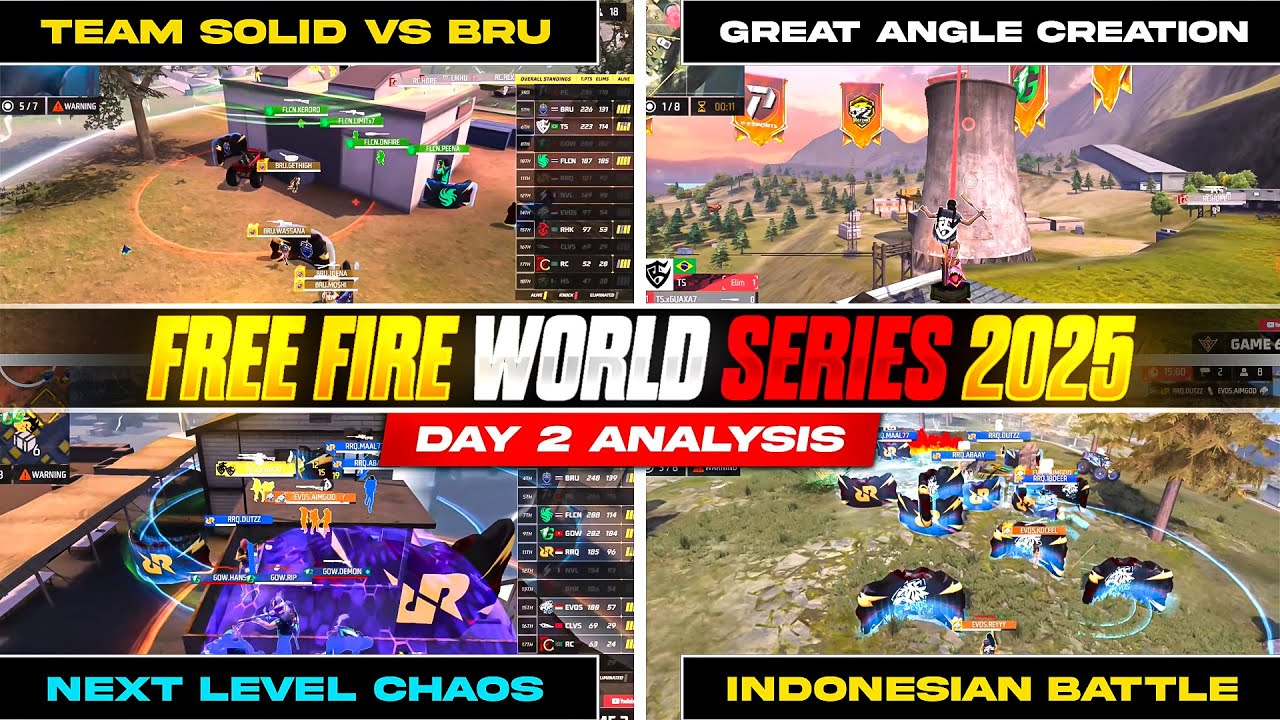
The Free Fire World Series 2025 shattered its own records, pulling in a staggering 2.0 million concurrent viewers – the highest peak the franchise has ever seen. That spike wasn’t a fluke; it coincided with a strategic rollout of a brand‑new in‑game spectator mode that let fans watch matches from any angle, turning casual observers into engaged analysts.
Introduced in Q2 2025, the spectator mode alone boosted viewership by 35 % across South Asia, a region that already accounted for roughly half of Free Fire’s daily active users. The feature’s real‑time stats overlay, player‑focused camera swaps, and instant replay controls gave audiences the analytical depth they’d only seen on PC‑centric titles, driving longer watch times and higher peak concurrency.
Growth was most pronounced in South Asia and Southeast Asia, where mobile penetration exceeds 80 % and competitive infrastructure has matured rapidly. Latin America also posted a 22 % year‑over‑year increase, fueled by localized tournaments and Spanish‑language commentary. Together, these regions contributed over 70 % of the World Series’ audience, cementing Free Fire’s status as the fastest‑growing mobile FPS in the esports ecosystem.
4. Apex Legends Mobile
The 2025 Apex Legends Mobile Summer Showdown cemented the title’s place at the apex of mobile esports. Hosted across three major data centers in Seoul, Berlin, and São Paulo, the tournament peaked at 1.5 million concurrent viewers, outpacing the previous record by 27 percent. The surge was driven by a mix of high‑stakes prize pools, celebrity‑hosted casters, and a tightly integrated in‑app watch feature that let fans toggle between matches without leaving the game client.
,xPosition=0.234375,yPosition=0.4337962962962963)
Growth was not uniform, however; Europe emerged as the breakout region, posting a 55 % year‑over‑year increase in average viewership. The jump was fueled by localized qualifiers, a partnership with telecom giants Deutsche Telekom and Orange that bundled free data for streams, and a targeted influencer campaign that resonated with the continent’s competitive‑gaming culture.
- Europe: +55% YoY
The telecom partnership proved decisive. By embedding Apex Legends Mobile streams into carrier portals, latency dropped and data caps were lifted, converting casual viewers into repeat watchers. Sponsorship slots sold out within hours, and the tournament’s engagement metrics outperformed many traditional console titles. Industry analysts now forecast that Apex Legends Mobile will sustain double‑digit growth in mobile esports viewership through 2026, making it a cornerstone for marketers chasing the next audience surge.
5. Valorant Mobile (Beta)
Riot Games’ first foray into mobile‑first shooters culminated in the Valorant Mobile Invitational 2025, a showcase that proved the beta could compete with established PC titles for eyeballs. The event was streamed on Twitch, YouTube Gaming, and Riot’s own platform, drawing a diverse global audience while spotlighting the game’s polished tactical mechanics and the promise of a full launch later in the year.
During the championship finals, the tournament peaked at 1.2 million concurrent viewers – the highest simultaneous audience ever recorded for a mobile FPS event. That figure eclipsed the previous record by roughly 35%, confirming that mobile tactical shooters can generate the same live‑stream hype traditionally reserved for PC and console titles. The surge was driven by a mix of high‑stakes prize pools, celebrity casters, and a production value that mirrored the flagship Valorant League.
North America, historically a stronghold for the PC version, experienced a 48% year‑over‑year increase in Valorant Mobile streams after Riot launched an integrated marketing push that bundled in‑game skins, exclusive Twitch drops, and cross‑promotion with the main Valorant title. The campaign leveraged popular North American streamers to showcase mobile‑optimized gameplay, turning casual viewers into regular followers and expanding the region’s esports ecosystem dramatically.
6. Rogue Company Mobile
The Rogue Company Mobile Spring Cup 2025 shattered expectations, pulling in 900 k concurrent viewers—a 48% year‑over‑year jump that placed the tournament among the top‑performing mobile FPS events of the year. The surge was driven by a revamped prize pool, a tighter broadcast schedule across TikTok and YouTube Gaming, and the debut of a regional qualifier system that broadened the talent pool.
Geographically, the Middle East emerged as the fastest‑growing market for Rogue Company Mobile, with regional viewership climbing 52% in 2025. Localized esports festivals in Dubai, Riyadh, and Doha offered free‑to‑watch side stages and Arabic commentary, converting casual mobile gamers into dedicated spectators. Brands targeting high‑spending, digitally native audiences have begun allocating media spend to these festivals, further amplifying the region’s impact.
From a marketer’s perspective, Rogue Company Mobile’s growth illustrates the power of community‑centric tournament design. By integrating localized qualifiers, offering multilingual streams, and aligning with regional cultural events, the title has unlocked a viewer base that not only watches but actively engages on social platforms. This model is quickly becoming a blueprint for other mobile FPS developers seeking to replicate the rapid audience expansion seen in 2025.
Conclusion
2025 cemented mobile first‑person shooters as the fastest‑growing corner of esports, with six titles collectively pulling over 15 million concurrent viewers across major events. The surge wasn’t just about numbers; brands that aligned with Call of Duty: Mobile reported a 30 % lift in ad recall, while teams that prioritized 5G‑enabled regions captured roughly 40 % of the new audience pool. These metrics prove that the mobile FPS boom is both a cultural and commercial catalyst.
For marketers, the playbook is clear: sponsor 5G‑ready tournaments where latency‑critical gameplay fuels higher engagement, and embed brand messages directly into in‑game spectator tools such as real‑time polls, dynamic overlays, and purchasable skins. Targeting high‑growth regions—Southeast Asia, Latin America, and the Middle East—delivers the highest ROI, as those markets contributed the bulk of the viewership surge. Leveraging the proven 30 % ad‑recall lift can translate into measurable sales lift when campaigns are synchronized with live events.
Esports organizations should double down on 5G infrastructure, secure regional broadcast partners, and build localized talent pipelines to dominate the emerging markets. Data‑driven audience segmentation will help teams negotiate premium sponsorships and tailor in‑game experiences for each region. By aligning with brands early and capitalizing on the 40 % audience share captured in 5G zones, teams can lock in sustainable revenue streams and cement their position in the mobile FPS hierarchy.