
Introduction
Twitch’s 2025 Year‑in‑Review makes it clear that first‑person shooters dominate the platform’s watchership. The service logged a staggering 1.9 billion total hours watched across all FPS categories last year, a figure that eclipses the combined viewership of many traditional sports streams. This surge reflects both the rise of battle‑royale hybrids and the continued pull of legacy franchises, positioning shooters as the backbone of Twitch’s entertainment ecosystem.
The raw audience size translates directly into monetary impact. Newzoo’s 2025 Global Esports Report estimates the worldwide esports market hit $1.9 billion, with shooter titles accounting for roughly 45 % of tournament prize pools and sponsorship spend. Titles like Valorant, Call of Duty, and Apex Legends not only fill arenas but also fill brand pipelines, as sponsors chase the high‑intensity, viewer‑rich environments that shooters provide.
For streamers and sponsors, average watch time per viewer is the premium metric that separates fleeting clicks from genuine engagement. Longer view durations signal deeper immersion, which boosts ad CPMs, increases the likelihood of conversion for brand activations, and improves a channel’s algorithmic recommendation rank. In practice, a 30‑minute average view translates into more ad impressions and a stronger case for premium sponsorship packages, making watch‑time efficiency a critical KPI for anyone looking to monetize FPS content on Twitch.
Our community spent 1.9 billion hours watching FPS content in 2025, underscoring the genre’s unrivaled grip on live‑gaming audiences.
1. Valorant

Valorant topped the FPS category on Twitch in 2025, pulling an average 3.8 hours per viewer – the longest watch time of any shooter on the platform. This metric eclipses its closest rival, Call of Duty: Modern Warfare II, by roughly 0.4 hours, highlighting how the game’s competitive pacing and frequent high‑stakes moments keep audiences glued.
The engine behind those marathon sessions is the Valorant Champions Tour, a three‑stage global circuit that consistently delivered massive concurrent audiences. Across the Masters, Champions, and Finals stages, the VCT amassed a cumulative 12 million peak concurrent viewers, with the Finals alone peaking at 4.2 million, turning each match into a must‑watch appointment for both casual fans and esports investors.
For streamers, the 3.8‑hour average translates into deeper ad impressions, higher subscriber conversion, and more opportunities for donation spikes during live analysis breaks. Sponsors reap the reward of the VCT’s 12 million concurrent peaks, guaranteeing brand exposure across North America, Europe, and APAC markets. Together, the sticky average watch time and a blockbuster live‑event calendar cement Valorant as the premier FPS for maximizing Twitch engagement in 2025.
2. Call of Duty: Modern Warfare III
Modern Warfare III kept Twitch viewers glued for an average 3.5 hours per session, the second‑longest watch time among FPS titles in 2025. The figure reflects the game’s relentless pacing and its ever‑shifting map pool, which forces players to adapt on the fly. Each new map rotation introduces fresh sightlines and choke points, prompting streamers to experiment with strategies in real time, a dynamic that fuels continuous viewer curiosity.
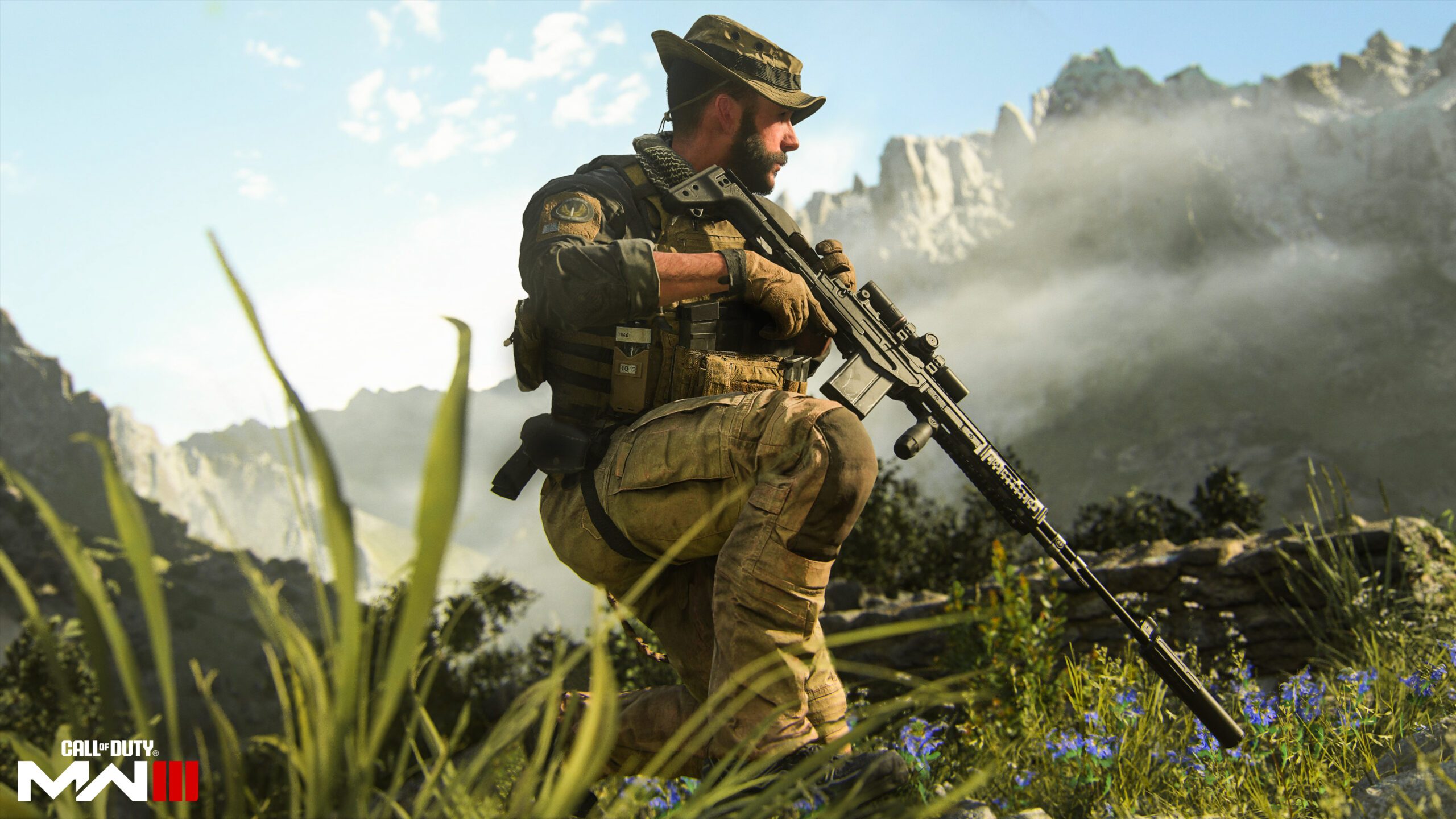
The launch of Season 5’s Battle Pass amplified that curiosity, delivering a weekly 18 % jump in concurrent viewership week‑over‑week. New operators, weapon skins, and limited‑time missions arrived every Tuesday, turning each update into a live‑event moment that fans tuned into en‑mass. Community challenges that required coordinated squad play further encouraged viewers to stick around, hoping to catch the next surprise drop or a clutch play on a freshly released map.
- Seasonal content drops keep the meta fresh and unpredictable
- Integrated coaching tools let streamers dissect play live with heat‑maps and aim analytics
- Live map and loadout previews give viewers instant context for each engagement
Beyond content updates, Activision’s built‑in coaching suite has become a silent audience magnet. Streamers can overlay heat‑maps, aim‑trajectory analytics, and on‑the‑fly loadout recommendations, turning a regular match into a tutorial‑style broadcast. Viewers not only watch high‑skill gameplay; they learn how to improve their own performance, which drives repeat visits and lengthens each viewing session.
3. Apex Legends
Apex Legends kept Twitch audiences glued for an average 3.2 hours per viewer in 2025, making it the third‑longest‑watching FPS on the platform. The game’s 90‑second respawn‑timer, fluid movement system, and ever‑shifting map rotations create bite‑sized yet intense matches that encourage viewers to binge multiple rounds in a single sitting. This kinetic pace translates directly into longer session times, as fans stay tuned to see clutch plays and surprise squad turnarounds.

Beyond the official league, community‑run tournaments and creator‑driven events have become a backbone of Apex’s viewership. Streamers regularly host “drop‑in‑drop‑out” brackets that mirror the game’s fast‑match ethos, prompting viewers to hop between streams to catch their favorite personalities. These grassroots events often feature unique rule‑sets—such as “no‑legend‑swap” or “high‑gravity” modes—that spark curiosity and keep the audience’s attention high for the entire broadcast.
The Apex Legends Global Series (GLS) amplified this momentum, pulling over 9 million unique viewers across its spring and summer splits. The GLS’s multi‑stage format, with regional qualifiers feeding into a global finale, created a narrative arc that encouraged viewers to return week after week. For streamers, the GLS offered a reliable hook: high‑stakes matches that consistently delivered the 3.2‑hour average watch time, while sponsors benefited from a concentrated audience of engaged, esports‑savvy fans.
4. Counter‑Strike: Global Offensive
Even a decade after its launch, CS:GO still commands an average watch time of 3.0 hours per viewer on Twitch, making it the longest‑lasting FPS after the top three titles. The game's legacy spectator tools—Live Radar, a constantly updated scoreboard overlay, and in‑match demo playback—give viewers granular insight into player positioning, economy swings, and clutch moments. Those tools, built into the client and refined over years, turn every round into a mini‑narrative that keeps audiences glued well beyond the typical match length.
- Live Radar: real‑time heatmap of player locations
- Scoreboard overlay: instant access to round scores and player stats
- Demo playback: on‑demand re‑watch of key rounds with commentary
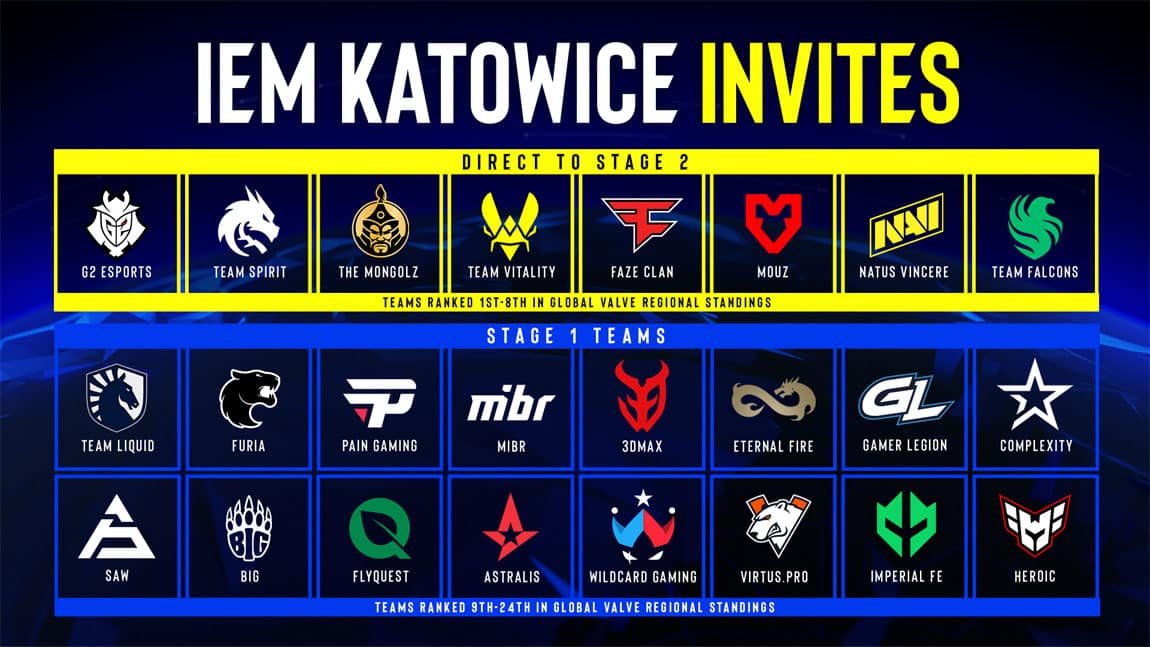
The frequency of high‑stakes tournaments amplifies that engagement. Major Championships such as IEM Katowice 2025 delivered an average view duration of five minutes per match, a remarkable figure for a game where individual rounds often last under two minutes. With back‑to‑back best‑of‑three series and a packed weekend schedule, viewers accumulate viewing minutes quickly, pushing the overall per‑viewer average toward the three‑hour mark. The consistency of these events—roughly one major every two months—creates a reliable cadence that both casual fans and dedicated esports followers can plan around.
For streamers and sponsors, CS:GO’s blend of mature spectator tech and a relentless tournament calendar translates into predictable, high‑value exposure. Brands can align with long‑form content slots, while creators benefit from the steady influx of viewers who stay for the strategic depth and community interaction. As long as Valve continues to support the competitive ecosystem, CS:GO will remain a cornerstone of Twitch’s FPS watch‑time leaderboard, cementing its relevance for the next wave of esports investment.
5. Overwatch 2
Overwatch 2 secured the fifth spot with an average watch time of 2.8 hours per viewer in 2025, according to Twitch’s Year‑in‑Review. The game’s built‑in hero‑swap mechanic forces players to rotate roles mid‑match, creating constant tension that translates into longer spectator sessions. Seasonal events such as the “Summer Skirmish” and “Winter Wonderland” introduce limited‑time maps and exclusive skins, prompting both casual fans and competitive followers to tune in for the full duration of each broadcast.
The Overwatch League amplified that engagement dramatically. Playoff matches generated a 22 % lift in average session length compared with regular‑season fixtures, as reported by the League’s own statistics. Higher stakes, amplified prize pools, and the narrative of franchise rivalries kept viewers glued, pushing the overall average toward the 2.8‑hour mark. Streamers who hosted live analysis panels saw their chat activity spike, reinforcing the platform’s stickiness during the postseason.
Three core pillars explain why Overwatch 2 consistently retains viewers:
- Dynamic hero‑swap that forces strategic pivots every few seconds, keeping the action unpredictable.
- Seasonal events that refresh the meta, introduce new visual themes, and reward viewers with exclusive in‑game content.
- Overwatch League playoffs that add narrative weight, higher stakes, and intensified community hype.
6. Battlefield 2042
Battlefield 2042 secured the sixth spot with an average watch time of 2.6 hours per viewer, a notable achievement for a shooter that leans heavily on massive, 128‑player battles. The game’s sprawling maps—such as the desert‑ruined "Euphrates Bridge" and the icy "Kaleidoscape"—offer endless visual variety, giving streamers a constant stream of new sightlines, vehicle chaos, and environmental destruction that keeps audiences from clicking away.
What truly differentiates Battlefield 2042 on Twitch is its suite of built‑in streaming tools. The in‑game "Battle‑Tracker" overlay feeds real‑time kill feeds, squad status, and dynamic weather alerts directly into the broadcast, turning a typical match into a data‑rich narrative. Streamers can also toggle the "Spectator Drone" view, which offers a cinematic, fly‑through perspective of the battlefield—perfect for maintaining a high‑energy visual rhythm that sustains viewer interest across long sessions.
The impact of these features is evident in the Battlefield Live event series, where average session lengths reached 45 minutes per match—well above the platform’s genre baseline. Those events paired map‑wide objectives with real‑time commentary overlays, encouraging fans to stay for the full arc of each competition rather than dropping after a single round. This sustained engagement translates directly into the 2.6‑hour average watch time that crowns Battlefield 2042 as a top‑performing FPS on Twitch in 2025.
Conclusion
The 2025 Twitch Year‑in‑Review confirms that shooters still dominate the watch‑time leaderboard, with Valorant, Call of Duty: Modern Warfare III, Apex Legends, CS:GO, Overwatch 2 and Battlefield 2042 filling the top six slots. Together they generated an average of over 2.5 hours per viewer per session, outpacing any other genre and cementing FPS titles as the primary traffic drivers for live‑gaming content.
For streamers, the data suggests a clear strategy: prioritize high‑watch‑time games when planning weekly schedules, and lean into community events or tournament runs that naturally extend session length. Sponsors should note Newzoo’s forecast that shooter‑centric sponsorship spend will grow 12 % YoY, rewarding titles that sustain longer viewer engagement (source: Newzoo 2025 Global Esports Report). Allocating budgets toward the top‑performing FPS titles, especially Valorant and Modern Warfare III, will likely yield the highest ROI in brand exposure and audience recall.
Looking ahead to 2026, emerging trends point to hybrid battle‑royale‑FPS hybrids, AI‑enhanced spectator tools, and tighter integration of Twitch’s built‑in betting features. New releases such as "Project X" are already generating buzz for their fast‑paced, map‑less design, which could shift average watch times upward if they capture the same competitive fervor. Esports organizers should therefore scout early‑access titles and experiment with mixed‑format events to stay ahead of audience fatigue and keep the FPS ecosystem vibrant.