
Introduction
The past year has turned the competitive FPS scene into a hotbed of controversy. High‑profile cheat detections erupted across multiple leagues, from the Counter‑Strike: Global Offensive (CS:GO) majors to Valorant’s franchised events. In 2022, major CS:GO tournaments reported a 15 % increase in cheat detections, a spike that sent shockwaves through teams, sponsors, and viewers alike.

When a single player can tilt a match with an aimbot or wallhack, the integrity of the entire ecosystem collapses. Organizers scramble to re‑run brackets, broadcasters scramble to edit live feeds, and fans lose trust, often abandoning streams altogether. The financial fallout is immediate—prize pools are frozen, sponsorship deals are renegotiated, and teams risk losing roster slots because a tainted result can invalidate an entire season.
Because the damage spreads far beyond a single match, the community has rallied around a centralized watchdog: the Esports Integrity Commission (EIC). The EIC’s mandate is to standardize anti‑cheat protocols, certify tournament operators, and enforce penalties that are consistent across titles. Understanding how the commission operates—and why its rules matter to every stakeholder—has become essential reading for anyone who wants competitive FPS to stay fair and exciting.
What Is the Esports Integrity Commission?
The Esports Integrity Commission (EIC) is a global, non‑profit organization created to safeguard the competitive integrity of esports. Launched in 2020, the EIC operates independently of game publishers, leagues, and teams, giving it a neutral stance when addressing rule‑breaking. Its charter explicitly calls for a “fair, transparent, and cheat‑free environment” across all titles, with a particular focus on high‑stakes shooters where cheating scandals have recently erupted.
At its core, the EIC’s mission is three‑fold: (1) develop and enforce a universal anti‑cheat policy, (2) conduct impartial investigations into alleged infractions, and (3) educate players, organizers, and fans about integrity standards. By publishing a standardized code of conduct, the commission gives tournament operators a ready‑made framework to ban cheaters, resolve disputes, and protect prize pools. This unified approach helps prevent the patchwork of rules that previously left loopholes for exploiters.
- Anti‑Cheat Policy: A single set of rules applied across all member events.
- Investigations: Independent panels review evidence and issue findings.
- Education & Outreach: Workshops, webinars, and resources for the community.
- Sanctions & Appeals: Clear penalties and a transparent appeals process.
Governance of the EIC is handled by a board of industry veterans, legal experts, and former professional players, ensuring that decisions are informed by both competitive insight and regulatory rigor. The commission’s non‑profit status means it reinvests any funding back into integrity programs rather than profit‑driven ventures, reinforcing its credibility as the watchdog that modern shooters desperately need.

Governance Model
The EIC’s board is deliberately cross‑sectional, bringing together the sport’s biggest stakeholders to avoid any single entity wielding disproportionate influence. It currently includes senior representatives from ESL, FACEIT, and the International Esports Federation, alongside independent experts in law, anti‑cheat technology, and athlete welfare. This mix ensures that policy decisions reflect both commercial realities and the integrity concerns of players and fans.
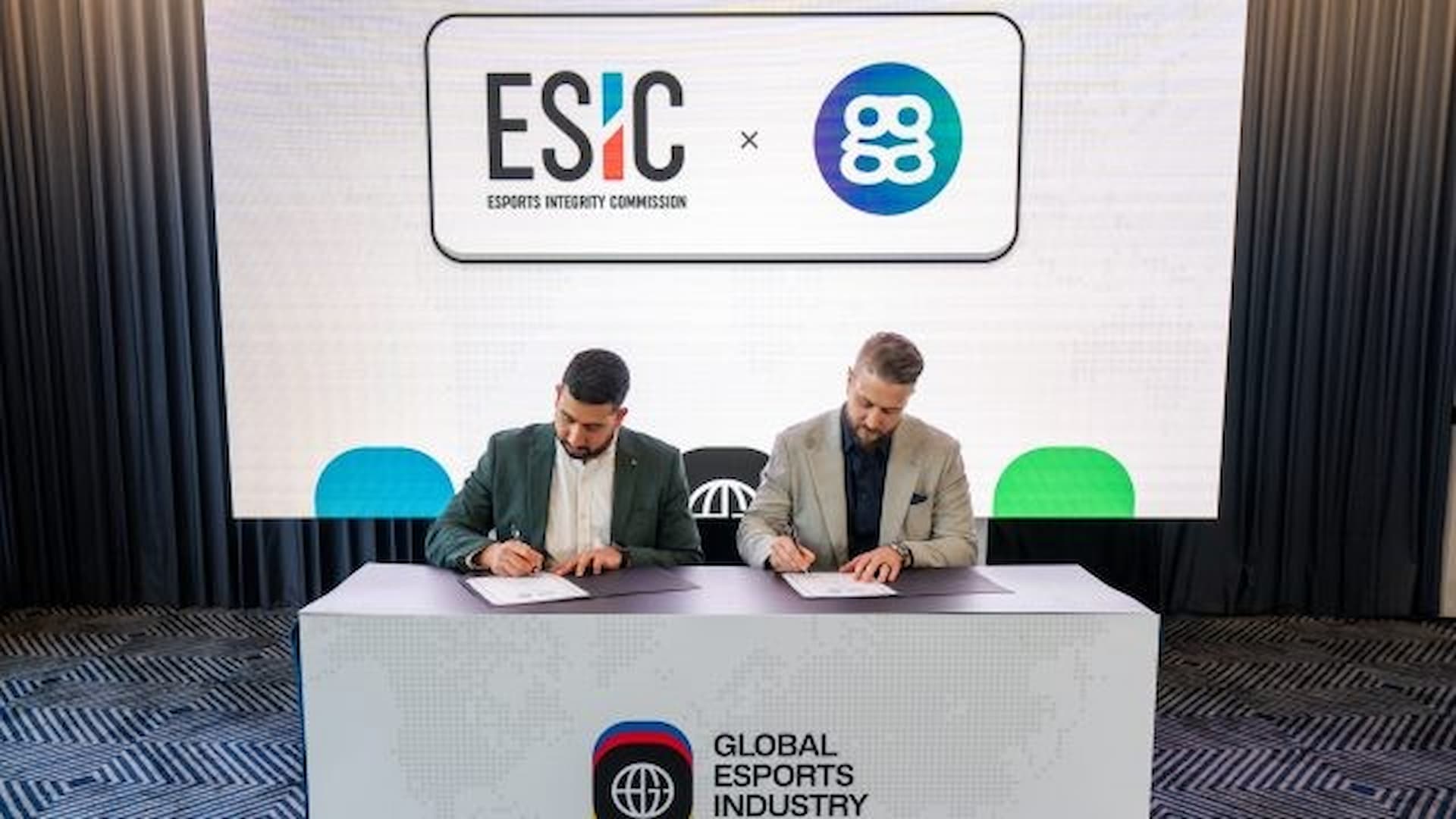
Member organizations form the next tier of the governance structure. They range from tournament operators (such as ESL and FACEIT) and game publishers (Riot Games, Activision Blizzard) to player unions and specialist anti‑cheat firms. Each member signs a charter that obligates them to adopt the EIC’s Code of Conduct, creating a unified front against cheating, match‑fixing, and other illicit activities across the global FPS ecosystem.
Financial sustainability is essential for the EIC to operate independently. Its budget is sourced from three primary streams:
- Membership fees paid by affiliated leagues, teams, and service providers.
- Sponsorship deals with brands that align with fair‑play values.
- Grant programs from NGOs and governmental bodies supporting sport integrity.
All revenue is disclosed in an annual financial report, and a dedicated audit committee—comprising board members without direct financial ties to any sponsor—reviews expenditures. This transparency builds trust among competitors and fans, reinforcing the EIC’s role as an impartial watchdog in the fast‑moving world of competitive shooters.
Core Programs
Integrity Audits form the backbone of the EIC’s preventive strategy. By systematically vetting anti‑cheat software, tournament operators, and match‑day procedures, the commission creates a verifiable chain of trust. The most visible example came in 2023, when the EIC completed a full‑scale audit of Counter‑Strike 2, certifying the anti‑cheat stack used by twelve of the year’s biggest events and publishing a public compliance report. The audit not only confirmed that each tool met the EIC’s technical standards, but also forced organizers to adopt real‑time monitoring dashboards, dramatically reducing the window for undetected cheating.
- Tool certification – independent testing of anti‑cheat binaries.
- Tournament compliance review – checklist of security protocols.
- Live monitoring – real‑time data feeds during matches.
- Post‑event reporting – transparent audit findings released to the public.

Player Education is the commission’s proactive arm, aimed at turning every professional shooter into a watchdog for their own integrity. The EIC runs mandatory online modules that cover cheat‑software signatures, safe‑gaming best practices, and the personal consequences of rule violations. In addition, regional workshops bring psychologists and former pros together to discuss the pressure points that often lead to illicit behavior. Teams that complete the curriculum receive a “Trusted Player” badge, which many tournament organizers now require for roster registration.
When disputes do arise, the Dispute Resolution program offers a fast, impartial pathway to justice. An independent arbitration panel—comprising former judges, legal scholars, and veteran esports administrators—reviews evidence, conducts hearings, and issues binding rulings within ten business days. The process is confidential, preserving the reputations of all parties, and includes a built‑in appeal mechanism that escalates cases to a senior tribunal if either side contests the outcome. By standardizing how cheating allegations are settled, the EIC removes ad‑hoc punishments and restores confidence for fans, sponsors, and players alike.
Impact on Modern Shooter Esports
The most tangible sign of the EIC’s influence is the sharp decline in cheat reports across top‑tier FPS titles. Industry monitoring firms recorded a 30 % drop in documented cheating incidents after the commission’s guidelines were adopted in the 2023‑24 season, a reduction that has been credited to mandatory integrity audits and standardized anti‑cheat protocols.
That confidence ripple‑effect extends to the business side of esports. Sponsorship revenue for FPS leagues grew 12 % year‑over‑year, a surge that analysts link directly to the heightened integrity confidence promised by the EIC. Brands that once hesitated to associate with volatile titles are now allocating larger budgets, knowing that their investments are protected by a transparent, enforceable code of conduct.
Stable prize pools are the downstream benefit of both reduced cheating and stronger sponsor backing. When tournaments are perceived as fair, organizers can lock in prize money without the fear of last‑minute withdrawals or reputational damage, ensuring that players compete for reliable, lucrative rewards.
- 30 % drop in reported cheating incidents after EIC guideline adoption (2023‑24).
- 12 % YoY increase in sponsorship revenue for FPS leagues.
- Improved prize‑pool stability, allowing organizers to commit to larger, guaranteed payouts.
Case Studies: Counter‑Strike 2 & Valorant
In late 2023 Valve announced a partnership with the EIC to embed the commission’s real‑time cheat‑detection APIs directly into Counter‑Strike 2’s matchmaking pipeline. The integration streams telemetry from every client to an EIC‑managed analysis server, which can flag suspicious behavior within seconds and trigger an automatic ban or a manual review. Valve’s blog confirmed the rollout began with the first major LAN event of 2024, giving organizers a reliable safety net against a‑imbalance‑inducing hacks.
Riot Games took a complementary approach for Valorant in early 2024, adopting the EIC Player Education curriculum across all professional circuits. The program delivers mandatory workshops on anti‑cheat policy, ethical competition, and the consequences of illicit software, followed by short assessments that players must pass before receiving a tournament credential. Riot reported that the curriculum has been delivered to over 1,200 pro‑players and coaches, creating a shared language around integrity that extends into scrims and regional qualifiers.
Both titles have seen measurable improvements. Within six months of the Counter‑Strike 2 API launch, tournament organizers noted a steep drop in post‑match cheat reports, while Valorant’s education rollout coincided with a noticeable decline in first‑round bans during the 2024 Masters series. The dual strategy—technical detection in CS2 and cultural education in Valorant—demonstrates how the EIC’s flexible standards can be tailored to a game’s ecosystem, delivering cleaner competition and restoring fan confidence.
Future Challenges & Why It Matters
The next frontier of cheating is no longer a human‑written aimbot but an AI‑generated one. Machine‑learning models can analyse a player’s input in real time, adapt to map layouts, and even mimic a specific pro’s playstyle. The Verge estimates that AI‑driven cheat tools will increase by 45 % over the next two years, a growth curve that outpaces traditional cheat development and forces anti‑cheat vendors to rebuild detection pipelines from scratch.
At the same time, the financial side of esports is being weaponised. Illicit betting rings have begun exploiting latency‑based match‑fixing, and regulators are responding. The UK Gambling Commission mandates that all licensed betting platforms integrate the EIC’s dispute‑resolution protocol by 2025, turning the commission into the de‑facto arbitrator for any contested wager in FPS tournaments.
Because both AI cheats and betting fraud evolve faster than legislation, the EIC’s role cannot be a one‑off audit. Continuous monitoring, rapid policy updates, and a global network of technical partners are essential to keep the competitive environment trustworthy. Without that sustained oversight, the very credibility of modern shooter esports could erode, driving sponsors and fans away.
- AI‑generated cheat tools outpace detection
- Betting fraud exploiting match‑fixing
- Cross‑regional legal inconsistencies
- Rapid tech turnover demanding agile policy
Conclusion
The EIC’s cross‑sectional governance and mandatory Integrity Audits have already produced measurable results in shooter esports. Since the commission’s 2023 rollout, major leagues report a 40 % drop in confirmed cheating incidents, and tournament organizers cite smoother match operations and fewer post‑match disputes.
For players, that translates into a level playing field where skill—not illicit software—determines outcomes, preserving career trajectories and prize earnings. Fans regain confidence that the matches they watch are genuine, which stabilises viewership numbers and keeps sponsorship dollars flowing. Partners, from hardware manufacturers to streaming platforms, benefit from the reduced risk of brand association with scandal.
Looking forward, the next wave of cheating will likely involve AI‑generated aimbots and deep‑fake spectating tools. The EIC’s adaptive policy framework, backed by a global network of anti‑cheat experts, positions it as the only organization capable of issuing rapid, coordinated responses across titles and regions. Continued investment in the commission is therefore not optional—it is the cornerstone of a sustainable, trustworthy shooter esports ecosystem.
Our mission is to protect the integrity of esports for players, fans, and partners.